How to Build a Stationery Product Line That Looks Cohesive
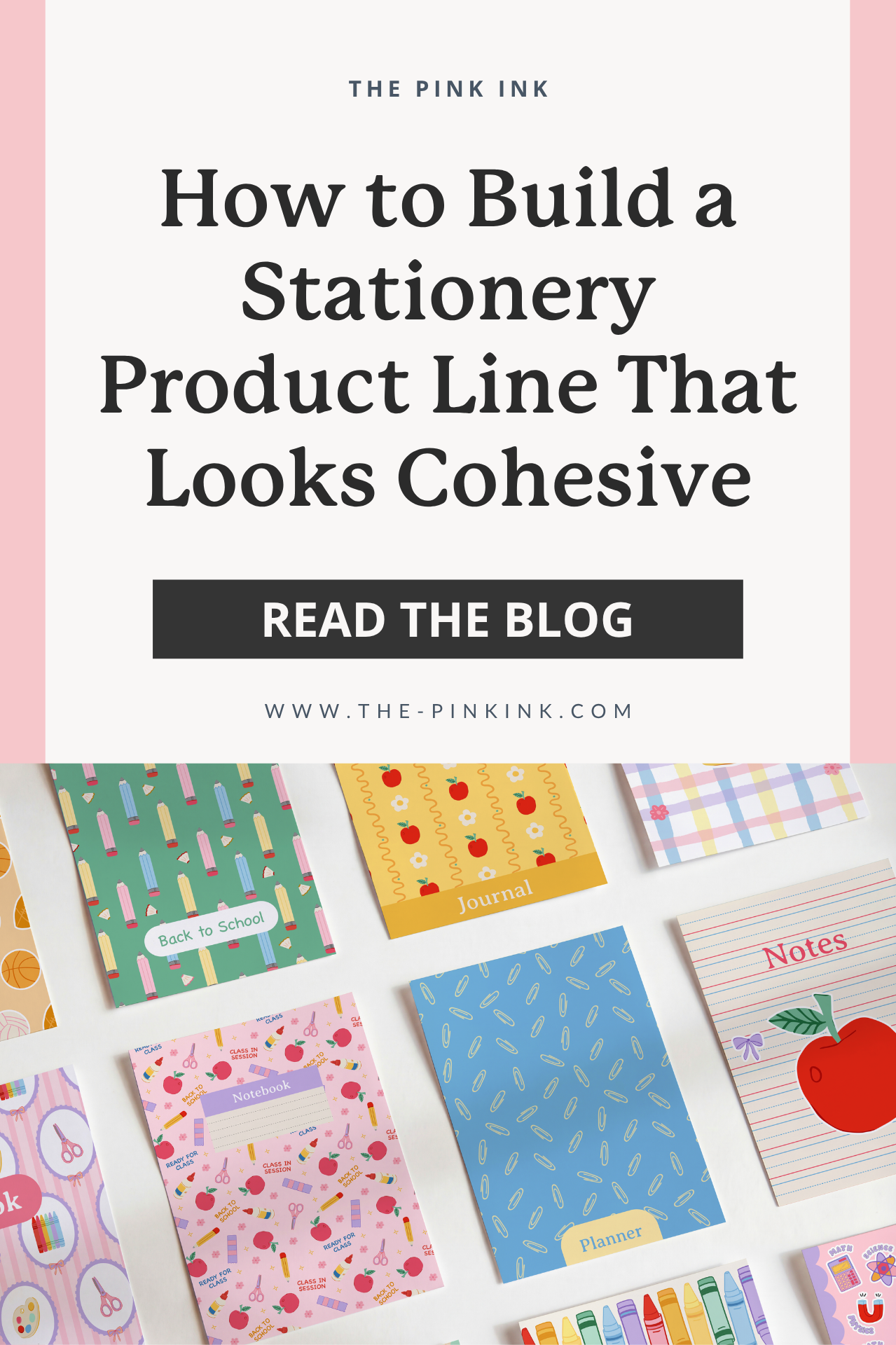
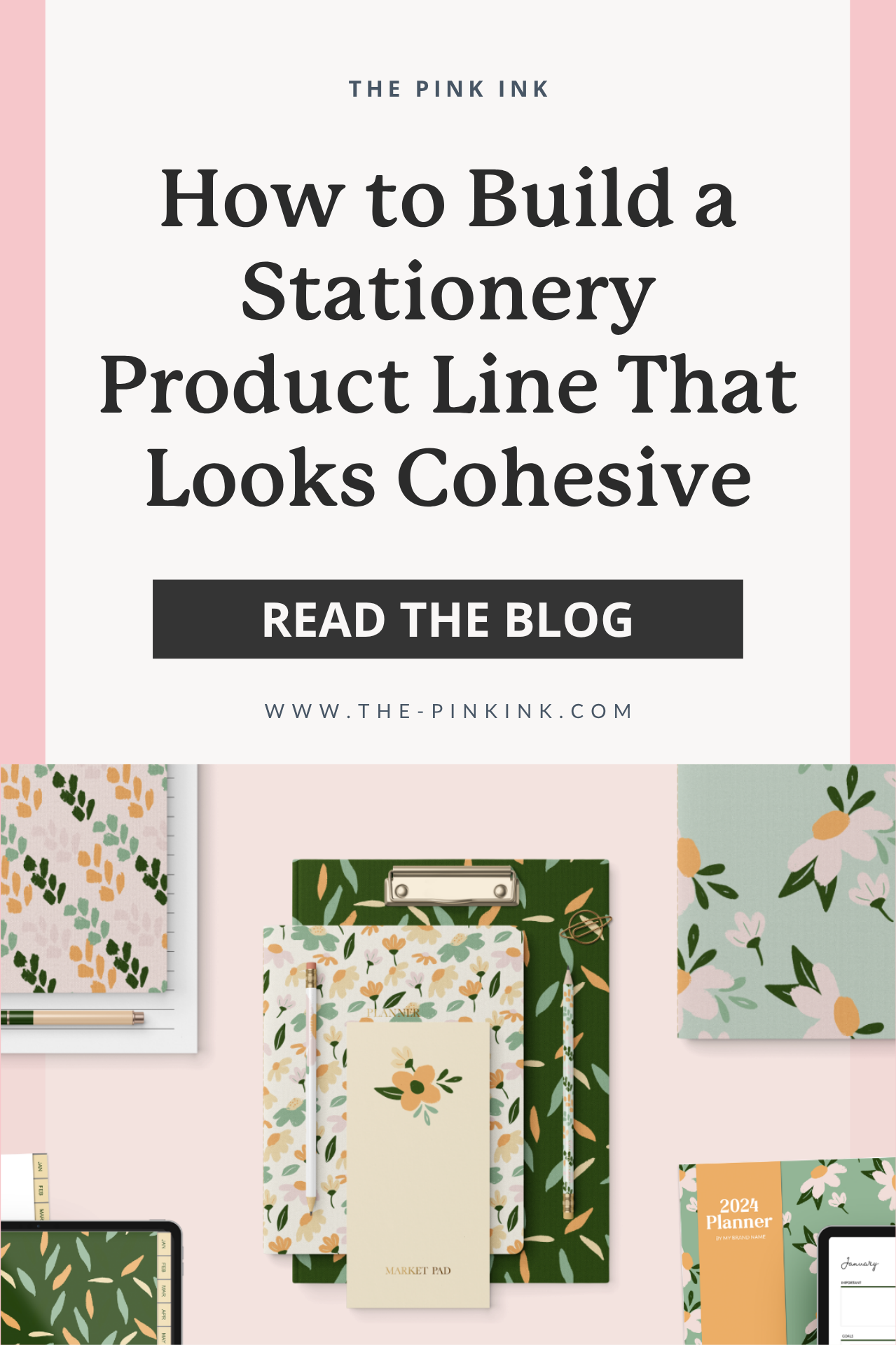
How do you feel when you walk into your favorite store in the mall and see their latest collection drop? It’s like it transports you to another place – the patterns all match, the colors are consistent, and it evokes a feeling. And the same is true with a well put together stationery shop.
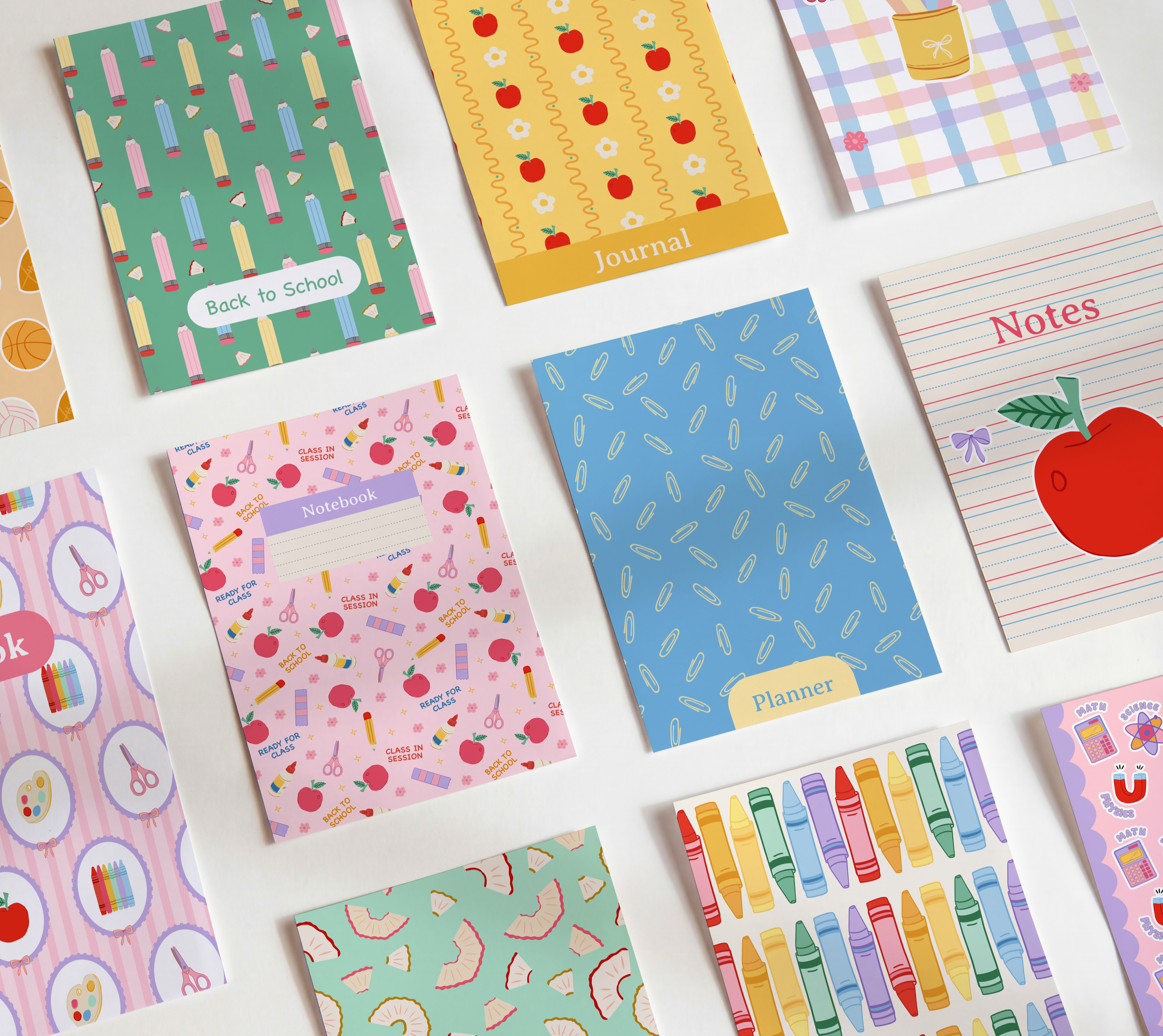
You start with the planner, then notice the matching journal. The notebook coordinates perfectly. The stickers complement everything without feeling repetitive. Before you know it, you're not choosing between products—you're building a collection.
That's exactly the experience you want to create for your own customers.
A cohesive product line builds trust, strengthens your brand, and gives customers a reason to come back for the next product instead of stopping after just one purchase. Every new release feels like a natural extension of the last, making it easier to launch collections, bundle products, and create a brand that's instantly recognizable.
In this blog post, I'll show you how to build a stationery product line that feels intentional from the very beginning, so every planner, journal, notebook, and accessory works together to tell one consistent story.
Why Product Lines Lose Cohesion Over Time
Building a beautiful stationery product line rarely happens all at once. Most brands start with one product they’re excited to bring to life. You choose the colors, fonts, illustrations, and layouts that feel right for that specific planner, journal, or notebook. And when that product launches, those decisions work beautifully.
But as your brand grows and you begin adding new products, maintaining that same creative direction becomes more challenging.
Without a clear design system to guide future releases, each new product starts to become its own creative project. And over time those small choices can make your collection feel less connected.
The solution? Creating a foundation that gives your creativity direction. A stationery design system creates a set of visual guidelines that every product can build from, allowing you to create new planners, journals, and accessories that feel fresh while still belonging to the same collection.
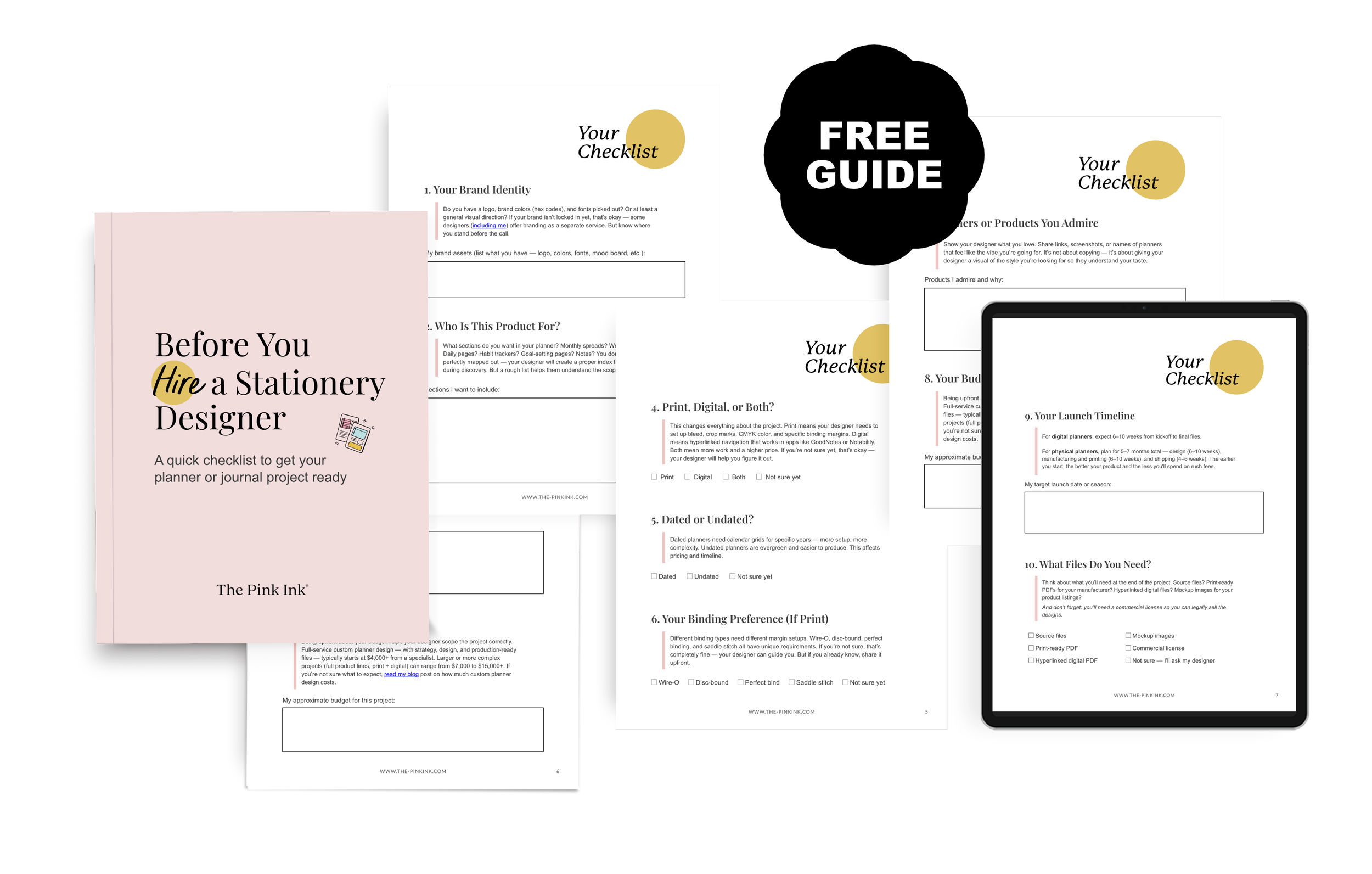
DOWNLOAD THE CHECKLIST »
The Five Elements of a Cohesive Product Line
A cohesive stationery product line isn’t about everything looking identical. It’s about having a unified visual language. Think of it like a capsule wardrobe — everything coordinates because the underlying rules are consistent.
Focus on aligning these five elements to create consistent products:
Color palette. I’m talking about exact hex codes and Pantone numbers that each of your products use. When customers see that specific combination, they’ll think of your brand. And the more you’re in their minds, the more likely they are to make a purchase.
Where brands get stuck: You love your planner’s palette, but the journal feels like it needs “something different.” So you shift the colors slightly. Then the notebook shifts again. Three products later, your palette is a moving target and nothing matches.Typography system. The same fonts for headers, body text, and accents across every product. Consistent typography helps customers recognize your brand at a glance — familiar fonts and styles create a visual thread across every product.
Where brands get stuck: You find a beautiful new font for the journal and swap it in without thinking about how it relates to the planner. Now your products “feel” different and you can’t figure out why.Illustration style. Your illustrations should feel like they come from the same visual world. If your planner uses delicate watercolor florals, your journal shouldn’t introduce bold geometric shapes. The same style, technique, and level of detail create a collection that feels intentional.
Where brands get stuck: When different products use different illustration styles, each one may look beautiful on its own, but together they can feel like separate brands instead of one cohesive line.Cover design language. Your covers should feel connected, not identical. A consistent layout approach, visual hierarchy, and overall brand feel help customers instantly recognize that your products belong together.
Where brands get stuck: When each cover is designed as its own standalone piece, every product may look beautiful individually, but the collection can lose the cohesive feeling that makes a brand memorable.Layout principles. The small structural details matter. Consistent use of white space, headers, section layouts, and margins creates a familiar experience that helps every product feel like part of the same collection.
Where brands get stuck: When every new product starts with a completely new layout approach, the variety can make the collection feel less intentional instead of more creative.
The difference between a collection and a group of individual products comes down to having a clear system behind your designs. When every product follows the same visual direction, your brand can grow without losing the feeling that makes it recognizable.
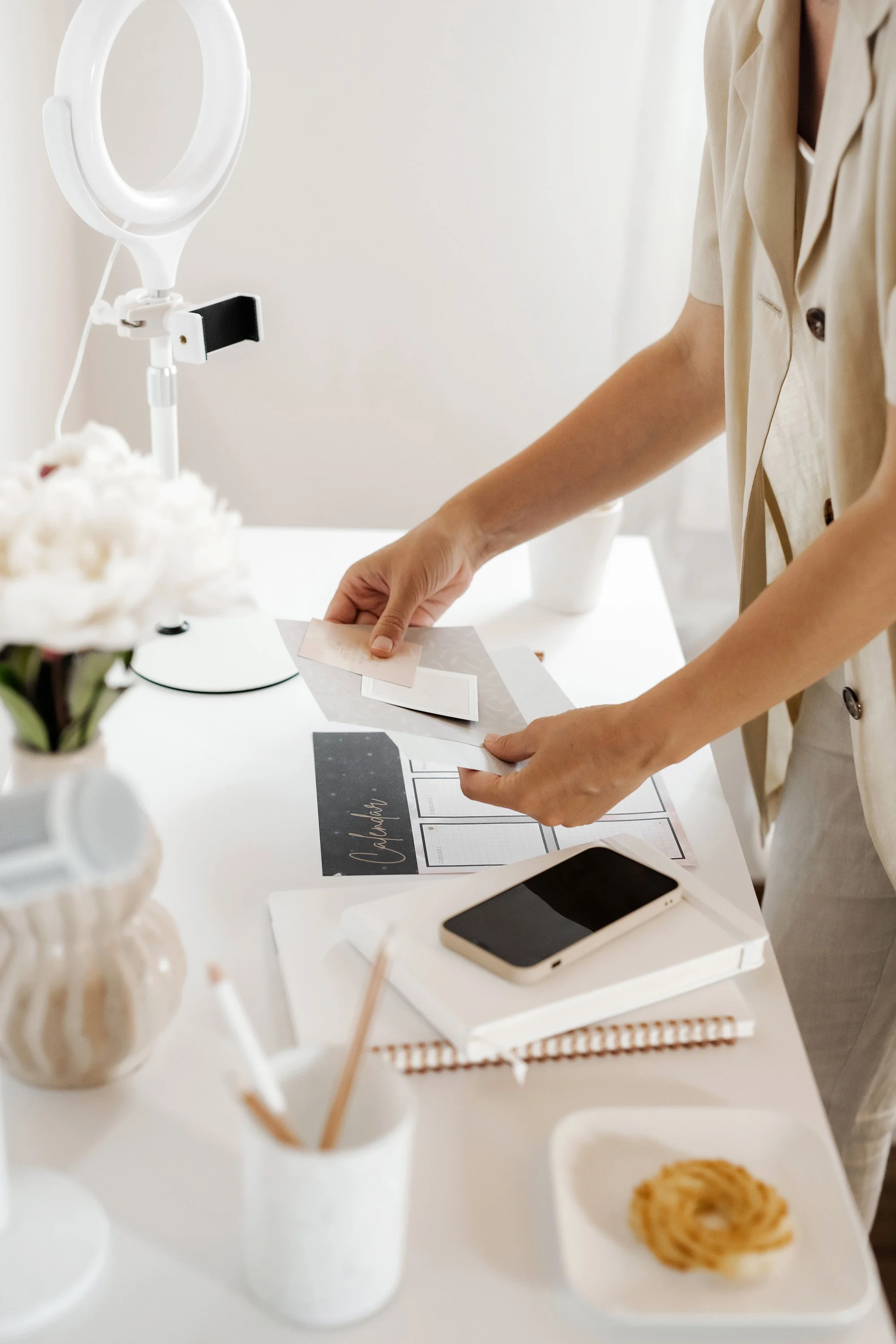
The Real Fix: One Designer, One System
The easiest way to build a cohesive stationery product line is to have one designer who understands your brand and carries that vision across every product. Someone who can design your planner, then create your journal, notebook, and future releases using the same visual language and creative direction.
That’s not just about creating a beautiful collection — it’s about creating a smoother, more enjoyable design process. When your system is already in place, adding new products feels easier and more predictable. There’s no starting from scratch, no re-explaining your brand, and no wondering if everything will come together.
That’s why I created my Unlimited Design Subscription for brands building stationery collections. One designer — me — supporting your brand across every product. If you’re ready to take that step, submit an inquiry here.
💌 Interested in working with The Pink Ink to create your custom planner or journal?
Fill out an inquiry form to start the conversation, share your project details, and help me determine if we’re a good fit for each other.