You know you want to start a stationery brand, but figuring out what to sell can feel like a completely different challenge. Maybe you’ve been browsing Etsy, saving Pinterest inspiration, and looking at all the gorgeous digital planners and journals already out there, only to think, “Okay… but what could I possibly make that people actually want to buy?”
And honestly, I get it. The digital stationery space can feel very saturated from the outside. There are minimalist planners everywhere, gratitude journals in every color imaginable, and enough habit trackers to make you wonder if there’s any room left for another stationery brand.
But here’s the thing: you don’t need to invent a completely new kind of planner to build a successful stationery brand. You need to figure out who you’re creating for and what they actually need.
Finding Your Place in a Crowded Market
Choosing the right stationery niche can make a huge difference. In this blog post, we’re going to give you inspiration for a dozen audiences you can choose from. But if you want to dive deep into the step by step process of picking a niche, you can head over to this blog post.
Psst! This blog is also great if you already have your shop up and running but are looking to add a niche, pivot to a new one, or develop a marketing strategy for your new audience.
Instead of creating another generic planner and hoping someone happens to find it, you can create products for a specific audience with specific interests, goals, or problems. And suddenly, you’re not competing with every other planner shop on Etsy. You’re creating something that feels much more relevant to the people you actually want to reach.
That’s the sweet spot: finding an audience that already wants stationery, but giving them a reason to choose your brand.
So if you’re trying to figure out where your stationery brand could fit, I’ve pulled together 12 profitable stationery niches that have real demand, loyal audiences, and plenty of room for new brands. I’ll also share examples of products you could create within each one, so you can start seeing what these niches could actually look like in your own shop.
1. Faith Planners and Devotional Journals
Faith-based planners and journals are one option at the top of the list worth considering. There’s room to create thoughtful stationery around the ways people already use planning and journaling to make space for their faith, reflection, and personal growth.
You could start with a daily or weekly planner that includes sections for prayer, gratitude, Scripture, and reflection, then build out your collection with matching devotional journals, inserts, or other complementary products. This gives you a clear audience to design for without limiting you to a single product.
The Hub has faith collections including planners and stickers, which could be a helpful starting point if you wanted to explore this niche and see how you could adapt a template to fit a specific faith-based audience.
2. Teacher Planners and Classroom Organizers
If you enjoy creating practical stationery, teachers are another audience worth considering. Teachers often need tools that help them keep track of lesson plans, grades, schedules, and classroom details, and a well-designed planner can make those everyday tasks feel much more manageable.
You could create an academic-year planner that runs from July to June, with lesson planning pages, grade trackers, classroom organization pages, or other tools designed around a teacher’s actual workflow. From there, you can build out a collection with products that solve other common classroom planning needs.
I've created an entire collection for teachers and the academic community inside The Hub, which you can check out here.
3. Wellness and Mental Health Journals
Wellness and mental health is a broad category, but it becomes much more interesting when you narrow down who your product is actually for. Instead of another generic journal, you could create something that helps a specific audience build a routine around reflection, mindfulness, habits, or emotional well-being.
Think mood trackers, guided reflection journals, habit trackers, gratitude pages, self-care planners, or journals built around a particular routine or goal. The design matters here, too. A calming, uncluttered product that feels enjoyable to use can be just as important as the pages inside it.
For example, I created a very specific PLR template within the wellness niche for menstrual cycle tracking. It’s been a huge hit, and you can see it here.
4. Small Business Planners
Small business owners have plenty of planning tools available to them, but many of them are designed to be general enough for almost anyone. That leaves room for a stationery brand to create products around the actual workflow of a particular type of business owner.
You could create revenue and expense trackers, content calendars, launch planners, client management pages, project planners, or goal-setting workbooks. Even better, you could niche down further and create a planner specifically for Etsy sellers, coaches, photographers, service providers, or content creators. The options are endless!
I’ve done this with various niches inside The Hub, but you can also take a closer look at the social media manager planner, which is available in The PinkInk shop outside of our PLR membership. This is a great example of taking a large industry – small businesses – and niching down to something specific enough that your products are sure to be seen and sold.
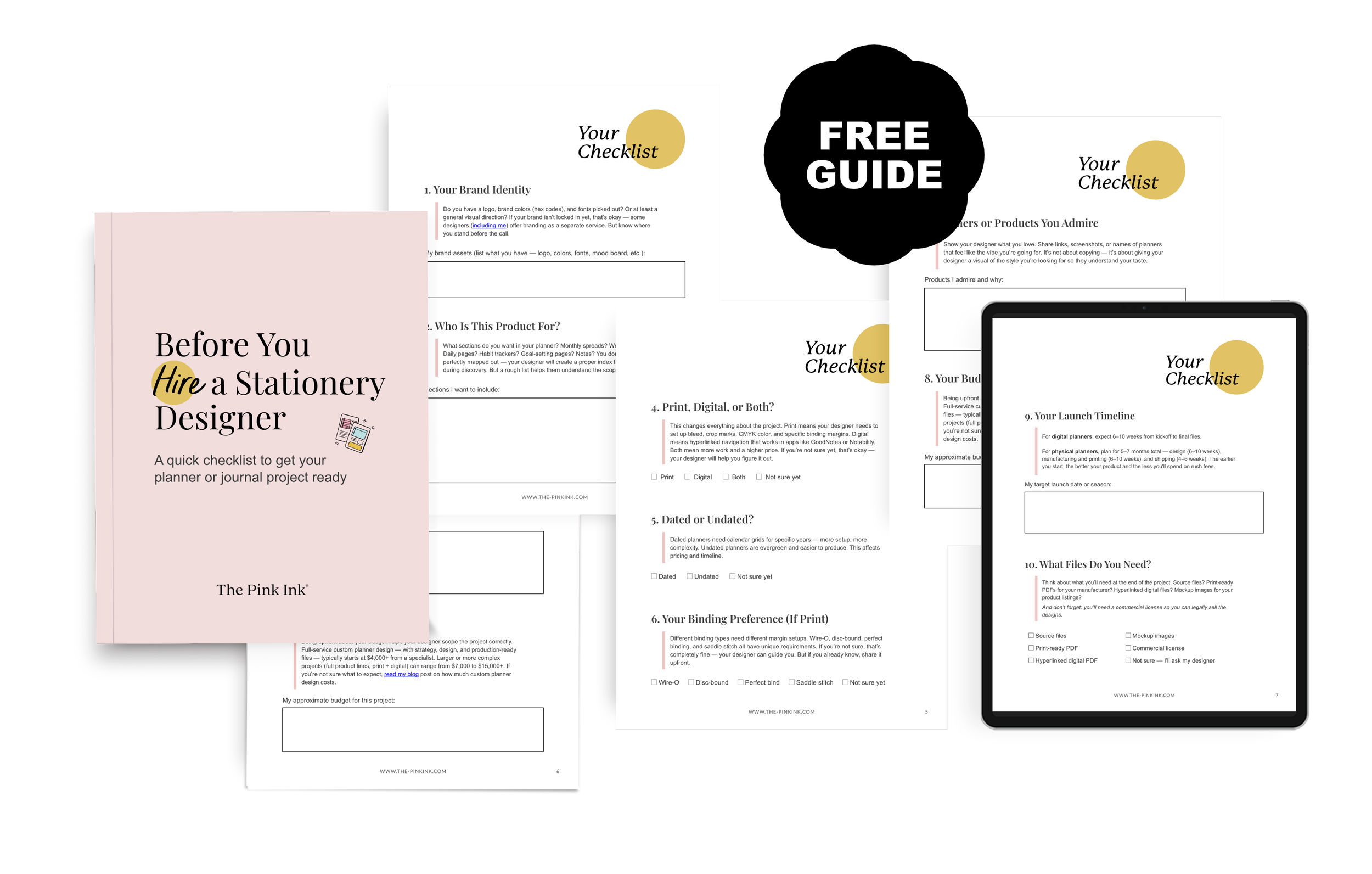
DOWNLOAD THE CHECKLIST »
5. Wedding Planners and Event Organizers
From budgets and vendors to guest lists and timelines, wedding planning is full of details that people need to keep organized. And that’s why it’s a perfect fit for a stationery brand niche.
You could create a comprehensive wedding planner or start with individual products like budget trackers, vendor organizers, guest list managers, seating charts, or timeline worksheets. From there, you could build a recognizable aesthetic around a particular wedding style, such as modern, romantic, minimalist, or vintage.
The Hub includes a wedding collection that’s already been designed specifically for the wedding industry, giving you a ready-made starting point if you want to explore this niche.
6. Homeschool Planners
Homeschool families have planning needs that a standard academic planner simply isn’t designed to handle. Parents may be managing multiple children, different grade levels, several subjects, curriculum choices, attendance, and progress all at the same time.
That gives you plenty of room to create specialized products or even narrow the niche further by creating products for a particular homeschool method, age group, or family setup. Homeschooling parents also tend to share product recommendations with other parents, making word of mouth a powerful marketing tool as well!
The Hub has academic, teachers and students collections, which could be a helpful starting point for creating a homeschool-focused product and building out a collection around the needs of that audience.
7. Fitness and Nutrition Journals
Fitness and nutrition is another niche where a generic planner can quickly become much more useful when you know exactly who you’re designing for. A runner, someone beginning strength training, and someone focused on meal planning may all want very different tools.
You could create workout trackers, meal planners, progress logs, goal-setting pages, or fitness journals that combine several of these into one product. Choosing a specific audience can also help you decide what information belongs in the planner and what kind of design will make it feel useful rather than overwhelming.
The fitness and nutrition templates inside The Hub are some of our most popular, and for good reason. We have over 700 templates that can be adapted to the specific kind of customer you want to serve!
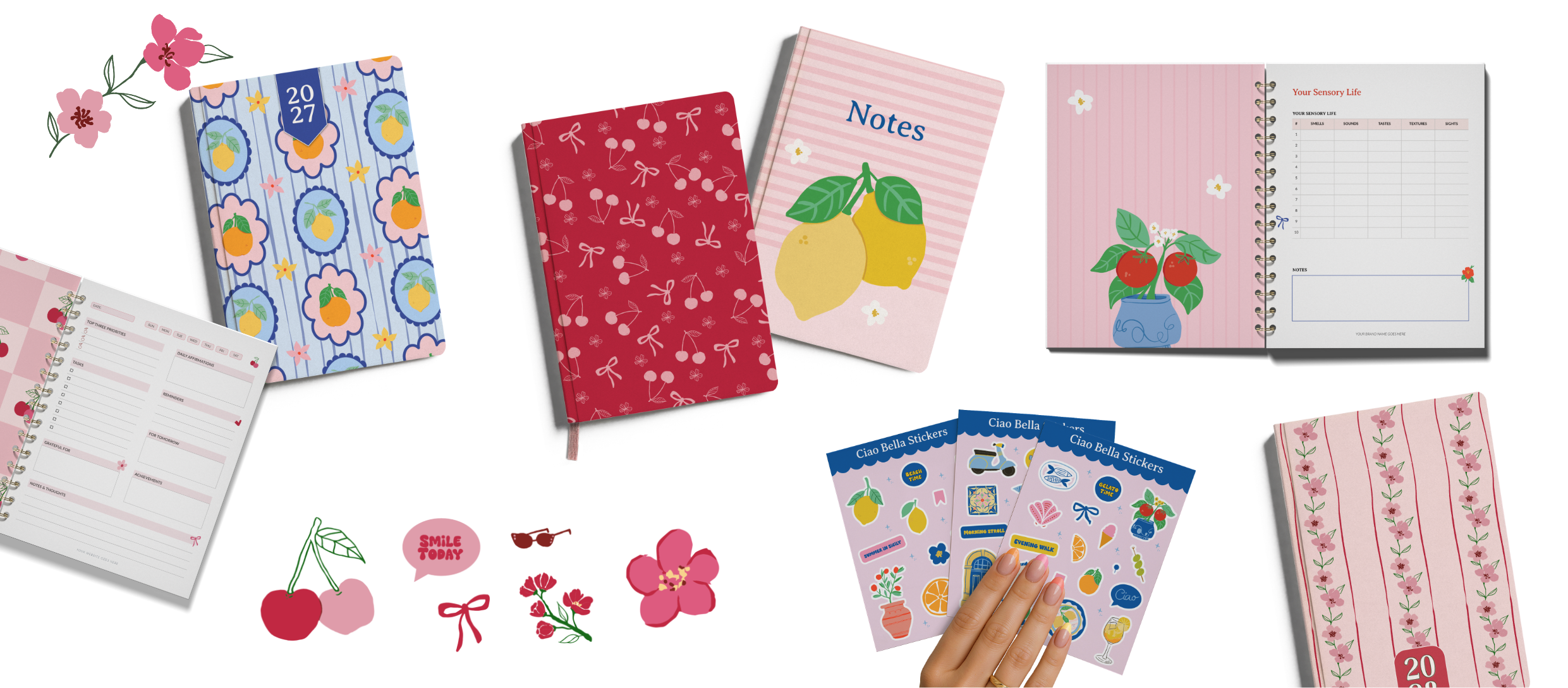
8. Creative Planners for Artists and Makers
Artists and makers have a unique combination of creative and business tasks to keep track of, making this a great niche for stationery that feels both beautiful and practical. A painter, jewelry maker, ceramic artist, or Etsy seller may need help organizing everything from individual projects and supplies to commissions and market preparation.
You could create project planners, commission trackers, supply inventories, pricing worksheets, market-prep checklists, or content planners specifically for creative businesses. You could even narrow the niche down to one type of maker and design the entire collection around their workflow!
9. Travel Journals
Travel stationery can combine practical planning with something a little more personal, which gives you several directions to explore within the niche. Instead of creating a generic travel journal, think about the kind of traveler you want your products to be made for.
You could create trip planners with packing lists, itinerary pages, expense trackers, daily travel logs, restaurant lists, photo spots, or memory-keeping pages. You could also create products around specific types of travel, such as road trips, family vacations, international travel, or weekend getaways.
At the beginning of the summer, we released an entire summer vacation themed template pack within The Hub. Take your pick of which product to start off with, or build an entire collection and see how niching down can help you sell more.
10. Student Planners and Study Aids
Students need more than a place to write down their homework, especially when they’re balancing multiple classes, exams, projects, and deadlines. That makes student stationery a good opportunity to move beyond the traditional academic planner and solve a more specific problem.
You could create study trackers, exam-prep journals, assignment planners, semester organizers, project planners, flashcard templates, or subject-specific study aids. And just like with the other niches on this list, you can narrow the audience further: high school students, college students, graduate students, or students preparing for a specific exam.
Alongside our teacher collections inside The Hub, we also have a student collection! This can be a great starting point to select a template and adapt it to a specific age group or academic need.
11. Pregnancy and New Parent Journals
Parents have so much on their minds before and after a child is born, why not make it easier by creating a series of products just for them? They can be practical, sentimental, or a combination of both, depending on the audience and style you choose.
You could create week-by-week pregnancy journals, appointment trackers, baby milestone journals, postpartum planners, feeding and sleep logs, or memory-keeping pages. You could also build separate products for different stages, giving you plenty of room to grow a collection rather than relying on one planner.
Inside our shop’s collection, you’ll find a PLR template especially for new moms, with all the features they might need. Take a look to adapt it to exactly what your audience will find the most helpful.
12. Gratitude and Mindfulness Journals
Gratitude and mindfulness journals can be a good niche if you want to create stationery that encourages people to slow down, reflect, and build a regular journaling practice. While the category is popular, there are still plenty of ways to make your products more specific to the person you want to reach.
You could create guided gratitude journals, daily reflection journals, mindfulness workbooks, one-line-a-day journals, or prompt-based journals focused on things like stress, self-reflection, positive habits, or personal growth. You could also narrow the audience further by creating products for teens, busy professionals, couples, parents, or another group with a particular reason for wanting to build a mindfulness practice.
The Hub has a Gratitude collection, which could give you a starting point for exploring this niche and adapting a template around the particular audience, purpose, or aesthetic you want your brand to be known for.
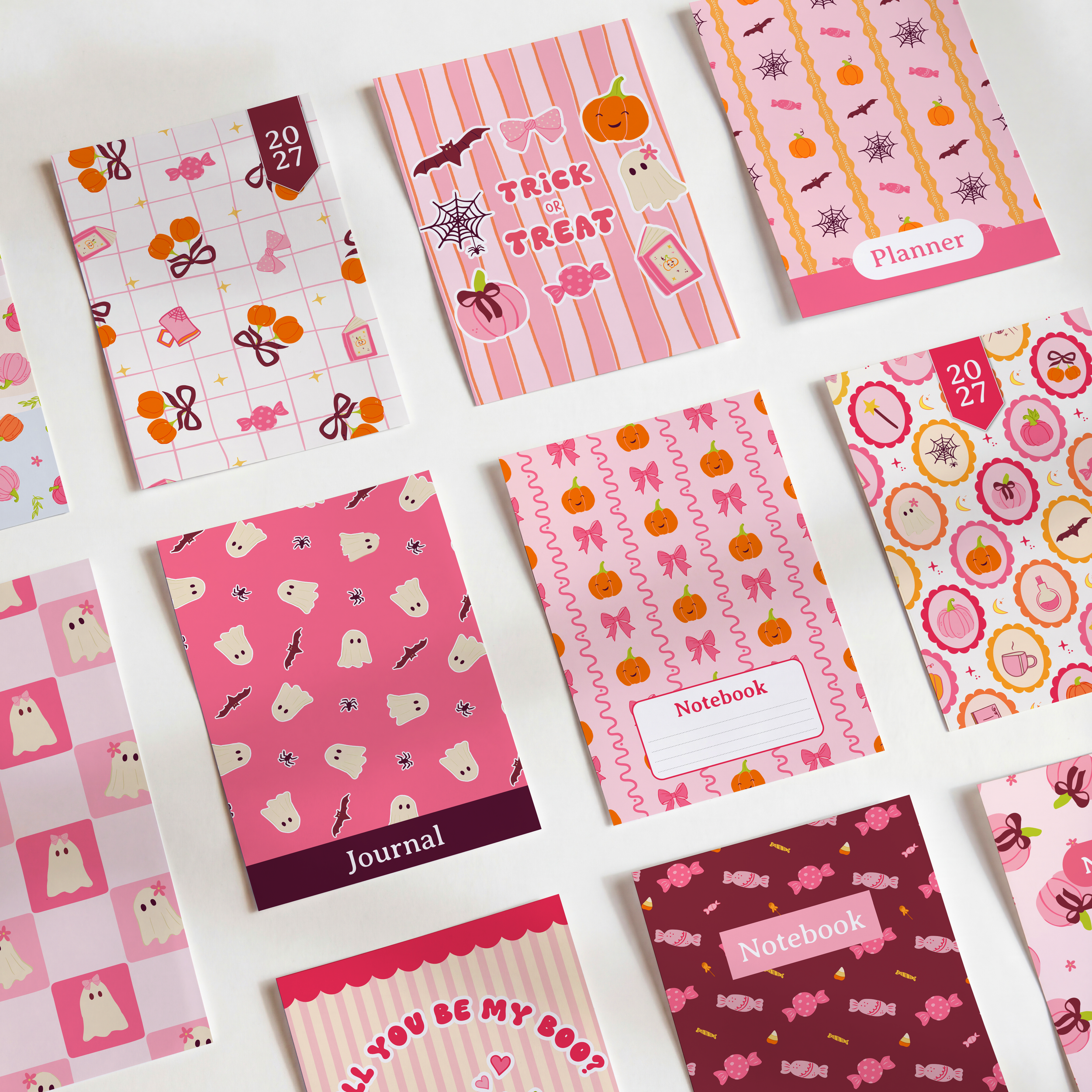
How to Pick Your Niche
The best niche isn't necessarily the one with the biggest audience. It's the one where you understand the customer deeply enough to build something they can't find elsewhere.
Three things to look for:
Audience loyalty. Do these people buy annually? Do they recommend products to friends? Do they gather in communities where word travels fast?
Specific pain point. Does this audience have planning needs that generic products don't serve? The more specific the problem, the easier your product is to position.
Room for premium. Is this an audience that values quality design and will pay for it? If they're only price-shopping, it's harder to build a brand.
The right stationery niche isn’t necessarily the one with the newest or most unique product. It’s the one where you can clearly understand who you’re creating for and what they actually need. Whether you’re drawn to teacher planners, wedding stationery, wellness journals, travel products, or one of the other niches we covered, start by thinking about the specific audience you want your brand to serve. From there, you can build products that feel relevant, useful, and worth choosing in a crowded market.
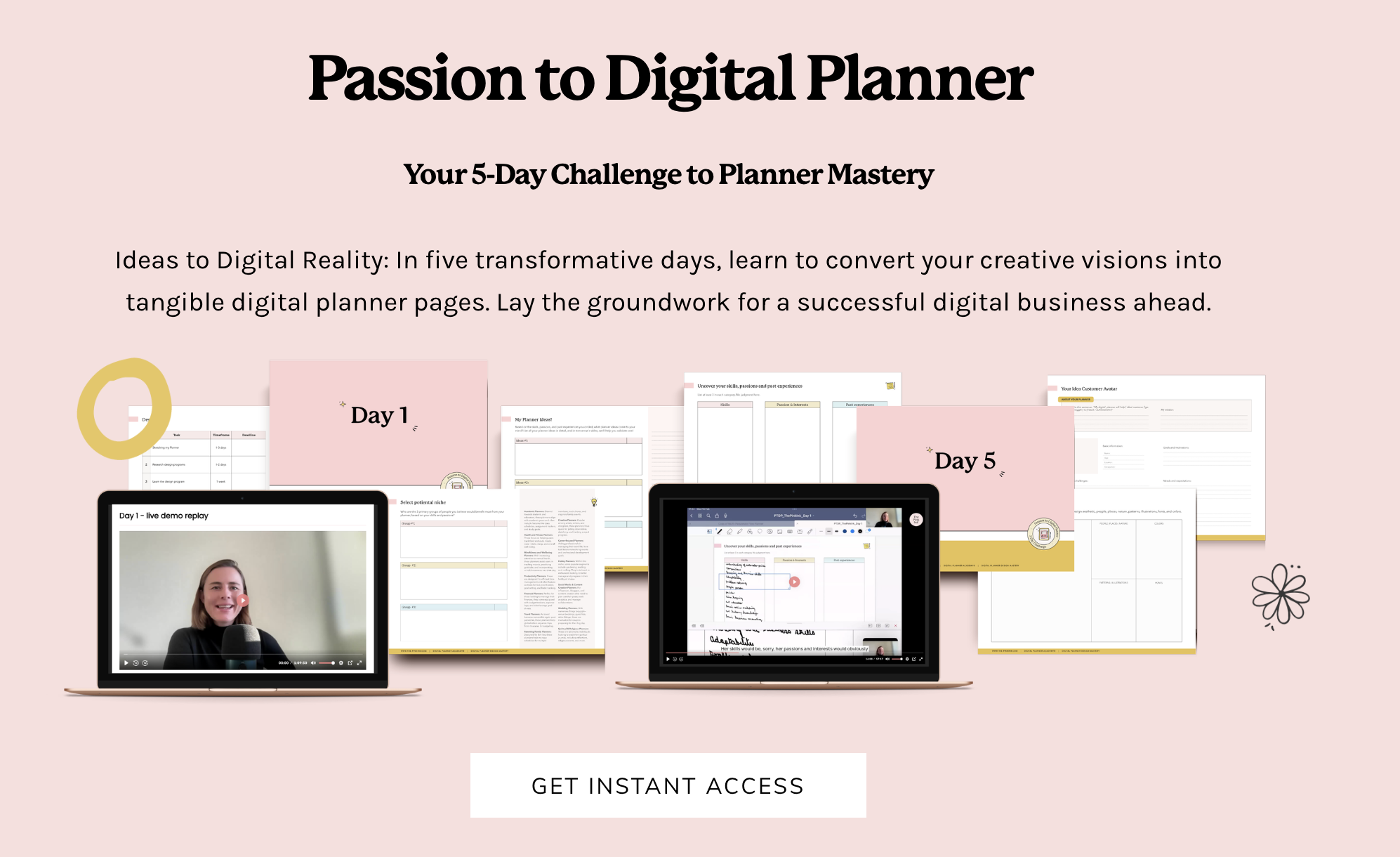
Ready to Build Your Stationery Brand?
→ Have your niche and need a product? My custom planner design service designs for your specific audience — strategy included.
→ Want to learn the full process? My Services Mastery course teaches you to design, produce, and launch stationery products.
→ Want professional templates to start faster? My PLR membership gives you designer-quality foundations to customize with your brand.
→ Need your brand identity first? My custom branding service builds the visual foundation for your niche.
Not sure where to start? Download the free checklist →