When people think of design, it’s easy to assume great design skills translate seamlessly across every project — but each niche comes with its own approach.
Digital planner design is no exception. It blends creativity with strategy, functionality, and platform-specific knowledge in a way that’s uniquely its own. Understanding that can make all the difference when deciding who to trust with your vision.
What a Planner Designer Actually Does
A planner product designer does more than create something visually appealing—they design with the end user in mind. Every decision is made to support how someone will actually interact with the product day after day.
Here’s what that looks like in practice:
They think about the user experience alongside the visual design. A planner is something people return to again and again, so even small layout decisions can shape how intuitive and enjoyable it feels to use. For example, in a dated planner with monthly and weekly spreads, understanding whether users primarily navigate from monthly overviews or spend most of their time in weekly pages can influence navigation placement and the overall structure of the product.
They design with repetition in mind. Planner products often include pages that repeat dozens—or even hundreds—of times. A weekly spread may appear 52 times, a monthly spread 12 times, and daily pages even more. That means thoughtful planning early in the process helps create consistency and prevents small decisions from multiplying across the entire product.
They understand the technical details that support a polished final experience. Things like binding methods, bleed margins, paper considerations, color settings, file specifications, printer requirements, hyperlink navigation, and PDF optimization all play a role in creating a product that works as beautifully as it looks.
They consider the customer experience across the entire product. Not just "does this page look good?" but "can my customer actually use this planner the way I intend?"
Good stationery product designers ask questions before they design:
Who is this planner for? What's their daily life like?
What problem does this planner solve for them?
How does this product fit into your existing brand and product line?
What format makes the most sense — print, digital, or both?
What's the price point, and how does that affect production choices?
These questions matter because a planner isn't a one-and-done design deliverable — it's a product. And planner brand product development requires understanding the market, the customer, and the business goals behind what you're creating.
One example: if your planner is going to be $17.99, you can't spend 60 hours on design. The price point dictates page count, which dictates how complex the design can be. A specialist knows this and designs accordingly — creating a beautiful, cohesive product within those constraints. A graphic designer might create something beautiful that costs $15,000 to design and can only be sold at premium price points, which might not fit your market at all.
📋 Curious what a designer will ask you on that first call? My free checklist walks you through exactly what to have ready. You'll feel more prepared and confident, and the designer will thank you for it. Download the free checklist →
Print vs. Digital — Different Skill Sets
This matters because print planner design and digital planner design might seem similar, but they actually require different skills and technical knowledge.
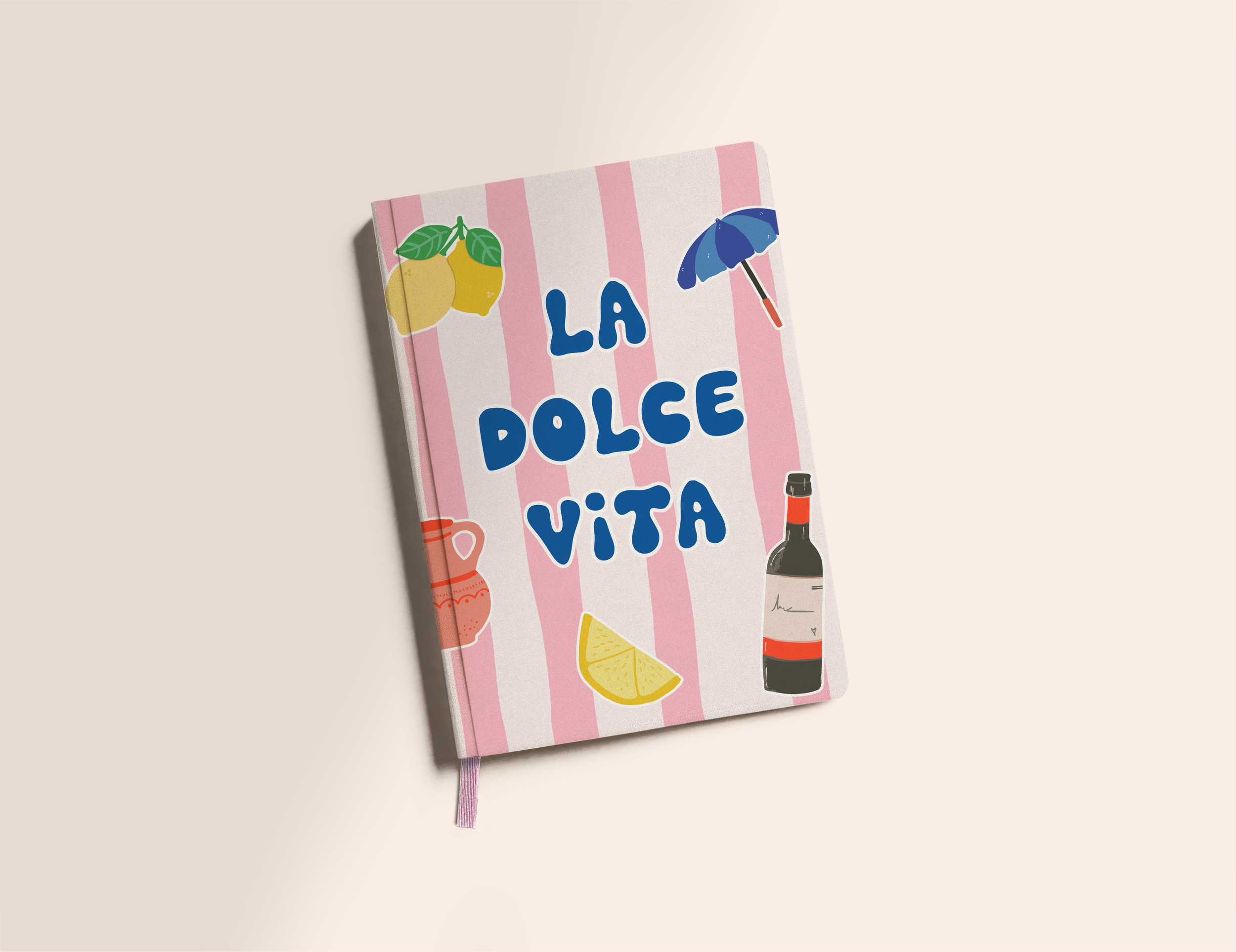
For print planners, a designer has to think beyond what looks good on a screen. They need to understand things like bleed (extra artwork around the edges so nothing important gets cut off), trim size, binding margins (because Wire-O, perfect bound, and discbound planners all need different spacing), paper types, cover finishes like soft-touch laminate or spot UV, and CMYK color settings for printing. They also need to know how to prepare files correctly so the printing process goes smoothly.
On the other hand, to design an effective digital planner, your goal is to create a smooth on-screen experience. This means building hyperlinks, creating easy-to-navigate tabs in apps like GoodNotes or Notability, then making sure files stay optimized and responsive. (Curious about the digital side? I wrote a full step-by-step guide to designing a digital planner)
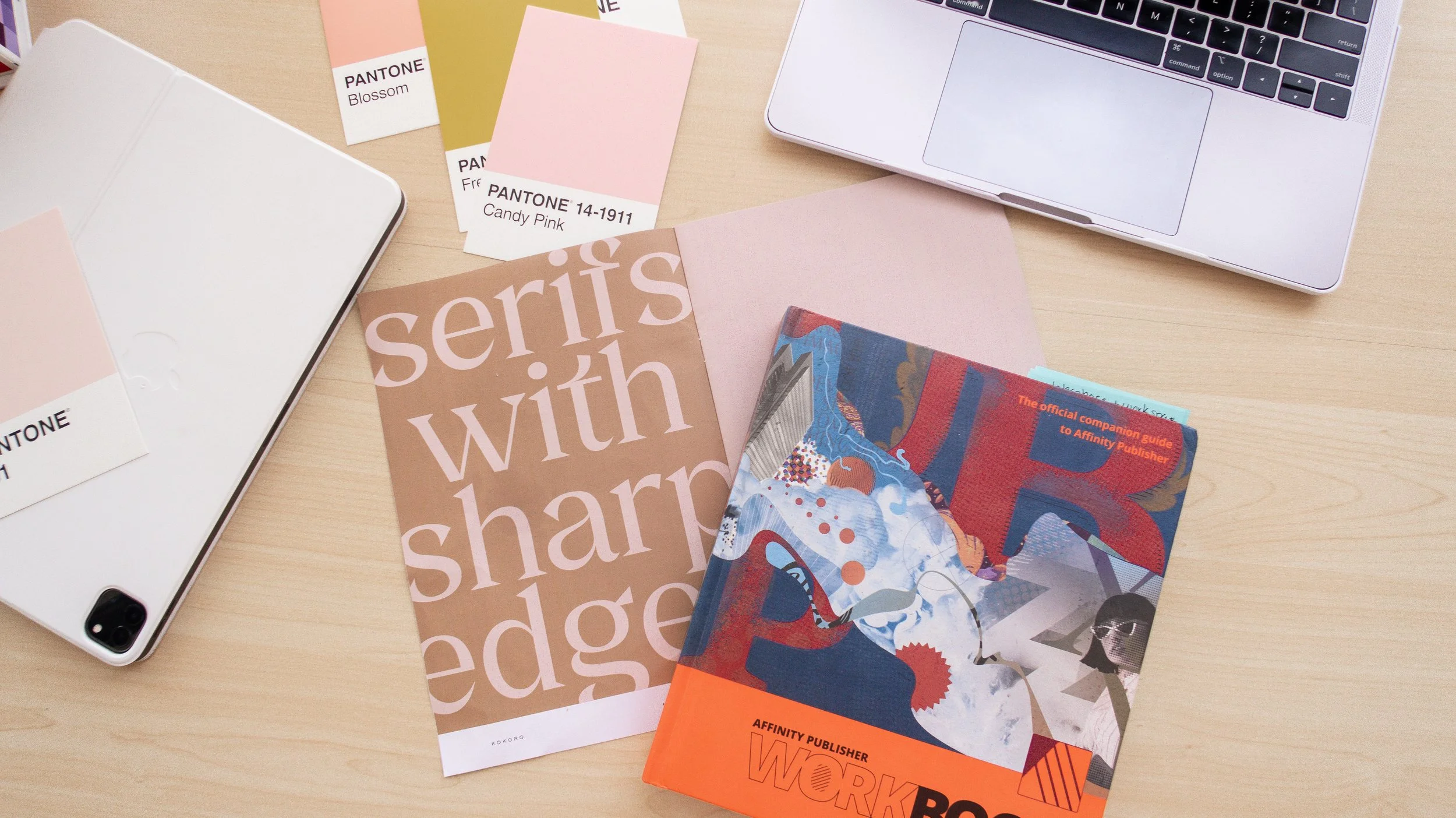
Now what makes a planner designer specialist stand out? First of all, it’s their experience with multiple products. Designing one planner teaches you a lot, but designing dozens teaches you even more. Over time, specialists start noticing patterns. They know where layout issues tend to happen, how small decisions affect repeated pages, and what happens when print files aren’t set up correctly or when a digital planner becomes too large to use comfortably.
It’s always worth asking your designer what their zone of genius is! That experience is what leads to a smooth process and better final product.
💌 Interested in working with The PinkInk!
Fill out an inquiry form to start the conversation, share your project details, and help me determine if we’re a good fit for each other.
How This Differs from a General Stationery Designer
You may have heard of stationery product designers, and it’s true that there is some overlap. The main difference? Stationery design covers a broader range — notebooks, journals, greeting cards, sticker sheets, notepads, packaging. Planner design is specifically about a functional planning product.
A planner designer thinks beyond making pages look good. When I’m designing your planner, I’m thinking about how that design will actually function once it becomes a real product in someone’s hands. Planners are built around repetition, which means tiny decisions early on can shape the entire customer experience later. A specialist knows designs with production in mind, starting with the very first click. This means your final product will be polished, intentional, and it’ll be worth coming back to your planner designer year after year.
The same goes for construction and materials. Different planner formats create different experiences for your customer, and an experienced planner designer knows how to guide those decisions based on your goals — not just aesthetics. They can help you choose options that align with your audience, budget, and vision so you don’t end up with something that looks beautiful in a mockup but feels frustrating, impractical, or underwhelming in real life. The goal isn’t just creating a planner that photographs well — it’s creating one that people enjoy using and want to recommend.
If you're building a full stationery line and want cohesive design across everything, someone who can handle the full range is ideal. That's actually what my unlimited design subscription is built for — planners, journals, stationery, illustrations, packaging, and marketing assets, all handled in house.
📋 If you're starting to think about hiring a planner specialist, this checklist will help you organize your project before reaching out. Download the free checklist →
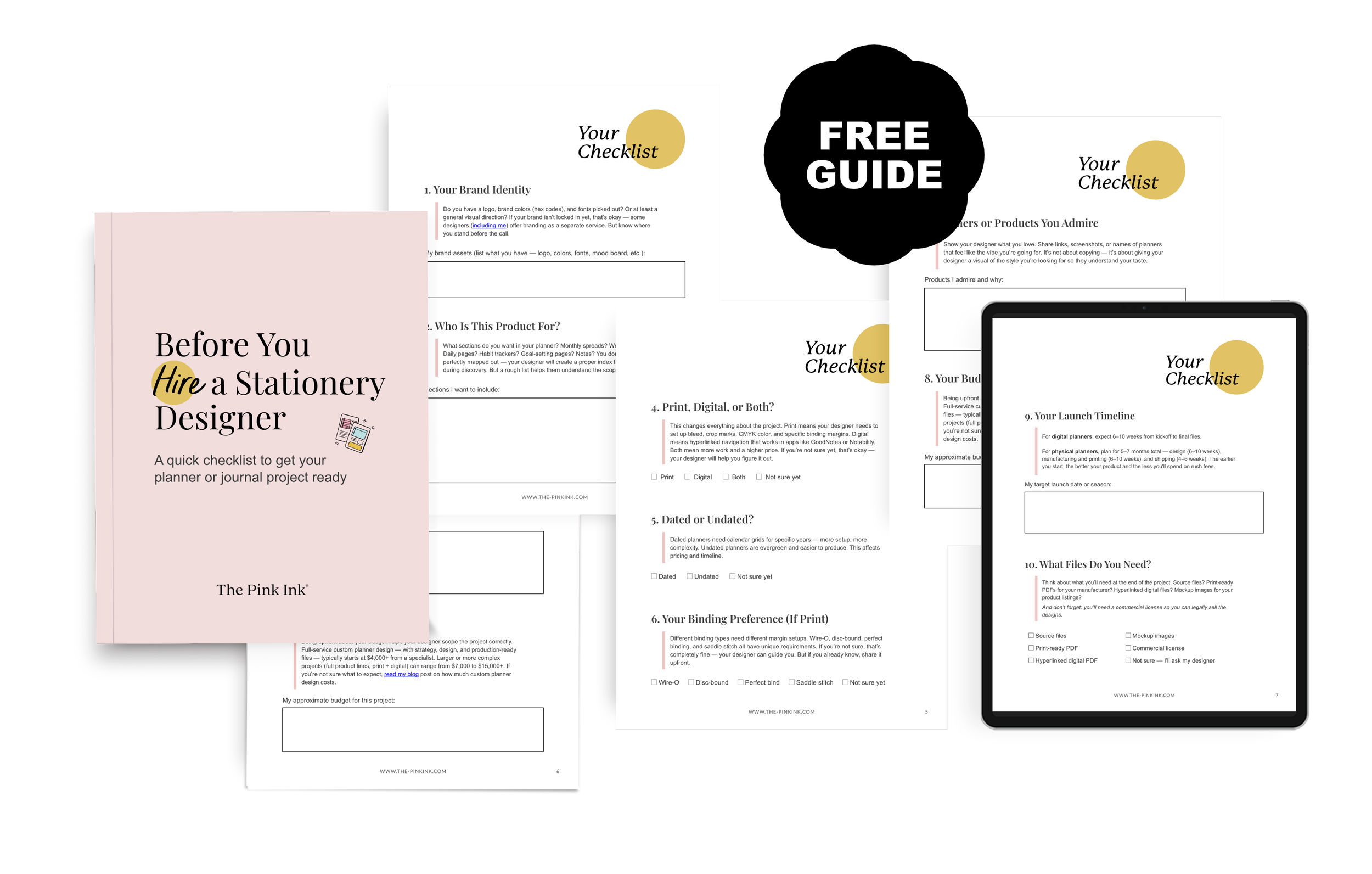
DOWNLOAD THE CHECKLIST »
What a Typical Project Looks Like
Here’s what the journey looks like when you have an experienced planner designer building your custom planner from concept to finished product:
Discovery. The designer learns your brand, your audience, and your vision. They put together a discovery brief that includes a full page map, a mood board, color and font direction, and a summary of the product. All of this gets your approval before they design anything.
Strategy. They go deeper with market research, audience analysis, product positioning, and pricing guidance. They present this as a full strategy deck so you can see how your planner fits into the bigger picture.
Design. Now they design every spread — cover, monthly layouts, weekly spreads, trackers, goal pages, notes, divider tabs – all of it so your brand can show up consistently from cover to cover.
Delivery. Final files are delivered, ready for production. For print files, this means you’ll see the bleed, crop marks, CMYK, and correct trim size. For digital files, your planner will be fully equipped with working hyperlinks. No matter what format you choose, you’ll also get mockup images for your listings!
The timeline for this full process typically runs 8–12 weeks, depending on project scope and revision rounds. A planner is a complex product, and the design is the foundation of everything that comes after — your production run, your sales, your customer experience.
🔍 See the full process in action: How I Created a Custom Planner for Jessica's Journals
Why This Matters for Your Brand
Your planner is something your customer reaches for every single day. The design has to be functional, beautiful, and aligned with your brand promise.
When you hire a specialist, they understand this. They're not just decorating pages. They're creating a tool that your customer will actually use and love. That's the difference between a planner that sits on a shelf and one that becomes someone's favorite part of their morning.
A specialist also knows how to design for repeat customers. They think about next year — what will bring someone back to buy Edition 2? They’re already thinking about how the core of the planner can stay the same to build an easy-recognizable presence. These multi-year thinking patterns are what separate someone who designs a one-time product from someone who designs a brand.
Here's what I've learned from years of working with planner brands: the ones that thrive are the ones that understand planner design is a specialization. They invest in a designer who gets it. They don't shop for the cheapest option or hire a generalist and hope it works out. They understand that this is a specific craft, and like any craft, it requires focus and expertise. That's the difference between just launching another product and launching a successful planner that accomplishes your goals.
A thoughtfully designed planner has the power to become part of someone’s everyday life — and with the right designer by your side, you can create something your customers come back to year after year.
📋 Want to be the most prepared client your designer has ever worked with? Grab the checklist — it takes 10 minutes and saves you hours. You'll walk into that first conversation organized, clear about your vision, and ready to make the most of your investment. Download the free checklist →
I'd love to help you create your next planner. Whether it's your first product or your fifth, I'm here to make the process easy. Let's talk about your project →
Or keep exploring — check out how to earn $5K from digital planner sales or browse more resources on the blog.